Fresh color in May can look tired by July in Pineville, and the salon is usually not the reason. Summer in the Piedmont stacks the three great color faders on top of each other: strong sun, chlorinated pool water, and more frequent washing in the heat. Each one strips or shifts pigment a little. Together, they can take weeks off the life of a shade.
The good news is that most fading is a habit problem, not a hair problem, and habits are cheap to change once you know which ones matter.
The checklist that does most of the work
- Wet your hair with clean water before swimming, so it absorbs less chlorinated water.
- Rinse after every swim, and wash with a gentle shampoo the same day after a pool session.
- Turn the shower down from hot to warm; hot water opens the cuticle and lets color out faster.
- Wash less often, and use dry shampoo or a rinse-only day between full washes.
- Wear a hat or use a UV-protective product on long days outside; sun fades hair the way it fades a curtain.
- Use the shampoo and conditioner your stylist matched to color-treated hair, not whatever is already in the shower.
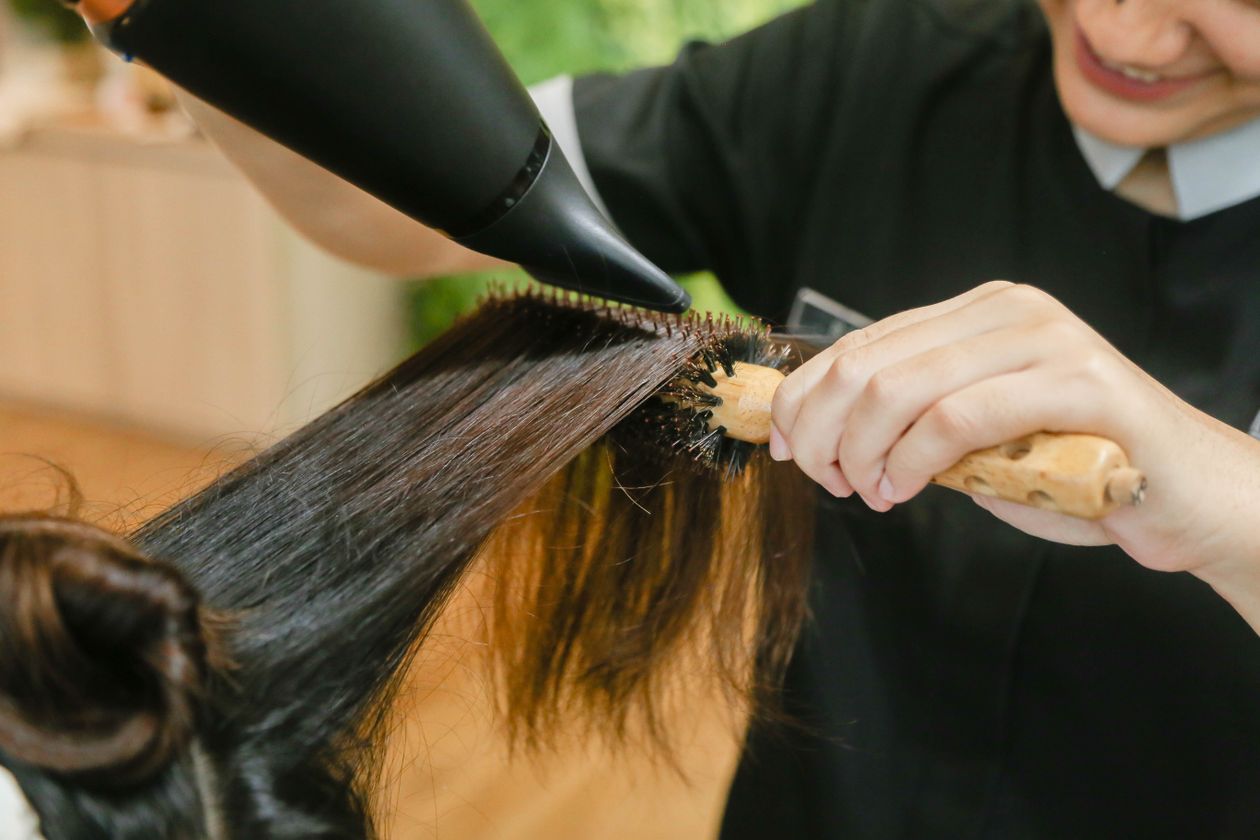
- Keep hot tools a notch cooler, and always on dry hair.
- Book the gloss or toner refresh on the rhythm your stylist suggested instead of waiting until the shade is gone.
Why the pool is harder on color than the sun
Sunlight fades pigment slowly and evenly. Chlorine works faster and adds a second problem: it can leave a green cast on light blonde hair, a reaction between chlorine-treated water and the copper that pool plumbing and algaecides contribute. The green is on the surface of the hair rather than in it, which is why a clarifying wash often removes it, and why prevention beats cure. Hair that goes into the pool already saturated with clean water, ideally with a leave-in conditioner worked through it, takes up far less of the treated water.
Washing: the quiet daily fade
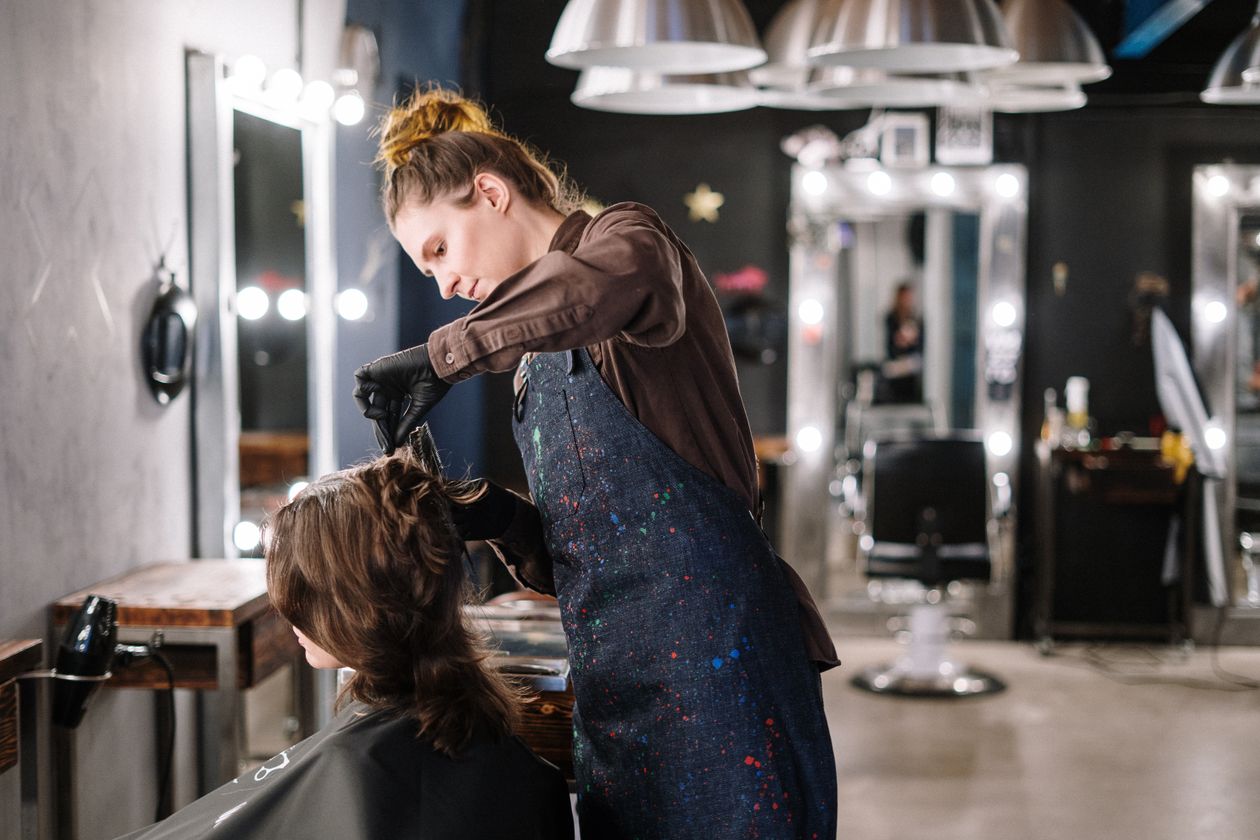
Every wash costs a little color, and summer tempts people in Pineville to wash daily against sweat and humidity. The compromise that works for most heads: wash the scalp, not the lengths. Shampoo belongs at the roots where the oil is; the ends get clean enough from the rinse running through them, and they hold most of the visible color. Conditioner on the ends, every wash, no exceptions in summer, because sun and chlorine dry hair out, and dry hair both looks duller and sheds pigment faster.
Pollen season adds a local twist in the spring, when a fine yellow dust settles on everything including hair, and rinsing it out on a no-wash day is better than either leaving it or shampooing daily to remove it.
When to call the salon instead of the drugstore
If the shade has shifted brassy, gone green at the ends, or faded unevenly, that is a toner or gloss conversation, not a box-color moment. Color applied at home over a summer of pool water and sun lands on hair in mixed condition and comes out mixed too, which turns a small salon refresh into a correction. A gloss appointment is one of the shorter visits in the salon and it resets the tone of the whole head, which is why stylists build it into the maintenance rhythm from the first color consultation onward.
The hat question, answered plainly
A hat is the single most effective color protector ever made, and the objection is always the same: hat hair. The trade is worth it on the days that matter most, the six-hour stretch at a ball field, a lake day, yard work in full sun. Choose a hat with a brim for the hairline, where gray coverage and highlights sit closest to the sun, and shake the style back out afterward rather than styling around the hat in the morning. For swimmers who hate caps, the wet-first routine from the checklist is the fallback, and it works nearly as well. What does not work is hoping a shade will hold through a Charlotte summer unprotected. Sun at this latitude, on hair worn up and exposed all day, is a chemical process too, just a slow one nobody scheduled.
Common questions
How soon after coloring can I swim?
Give fresh color a couple of days to settle before a pool session if you can, then follow the wet-first and rinse-after routine every time. The first week is when pigment is easiest to lose.
Why did my blonde hair turn green?
It is a surface reaction involving chlorine-treated water and copper, common in light hair. A clarifying treatment usually clears it, and pre-wetting hair before swimming prevents most of it.
Does dry shampoo really help color last?
Yes, indirectly. Every full wash removes some pigment, so anything that lets you wash one fewer time a week while keeping your scalp comfortable extends the shade.
Photos in this guide are representative stock images.
← All guides from Studio 321← Back to Studio 321