Chemical texturizing is the umbrella name for salon services that permanently reshape hair: perms that add curl or wave, relaxers and smoothing systems that take curl out, and the middle family of treatments that loosen a curl pattern rather than removing it. All of them work the same fundamental way. Hair holds its shape through chemical bonds inside the strand; a texturizing service breaks a share of those bonds, the hair is set in a new position, and a neutralizing step locks the bonds again in the new arrangement.
Because the bonds are broken and re-formed rather than persuaded, the result lasts until the hair grows out. That permanence is the appeal, and it is also why the decision deserves more care than a haircut, which can be undone by time alone.
What it can do
Done on suitable hair, texturizing delivers what styling products only rent by the day. It can give fine, flat hair a lasting wave and body. It can take a tight, unmanageable curl pattern down to a looser one that dries presentably with far less daily work. It can make thick hair in a humid Pineville summer behave for months instead of rebelling by ten in the morning. For people whose mornings are a daily negotiation with their hair, that is a genuine quality-of-life change, and it is why these services keep a loyal following despite every trend cycle.
What it cannot do
It cannot add hair, thicken a strand, or repair damage. It cannot make a curl pattern that your roots do not grow; the new growth always arrives in your natural texture, which creates a line of difference that has to be managed, retouched, or grown out. It cannot be layered carelessly over other chemistry. Hair that has been heavily lightened, relaxed with a different chemical family, or colored repeatedly may not have the strength left to give, and the failure mode is not a bad result but breakage.
It also cannot be judged on day one. A perm typically relaxes somewhat over its first days, and freshly smoothed hair sits flatter than it will after the first washes. Stylists evaluate the result after that settling period, and so should you.
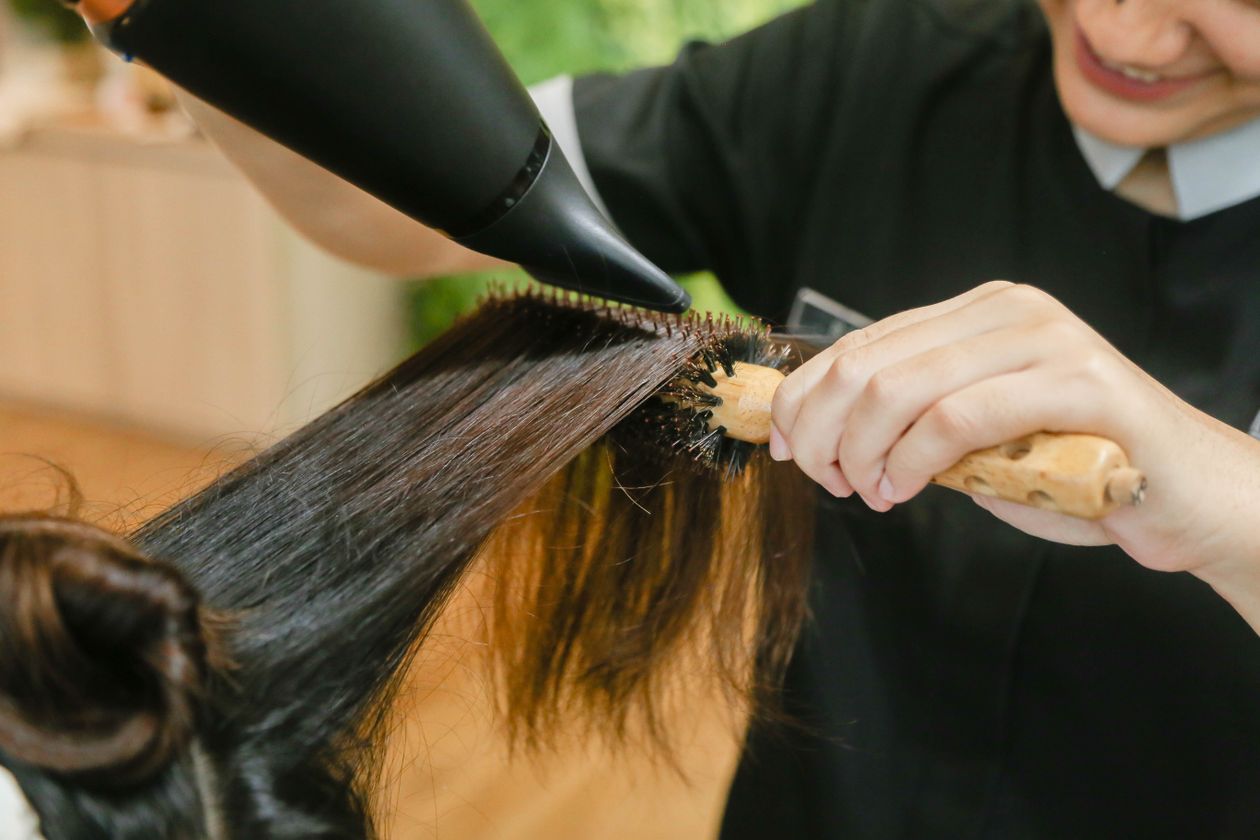
The condition check that comes first
A responsible texturizing appointment starts with the same habit as a color consultation: history and a strand test. The stylist needs to know every chemical service the hair has had, because products interact across months, and a hidden overlap is the classic cause of a disaster story. The strand test, a small section treated in advance, shows how your hair responds before your whole head is committed. If a stylist wants to skip it on hair with a complicated history, that is a reason to slow down, not speed up.
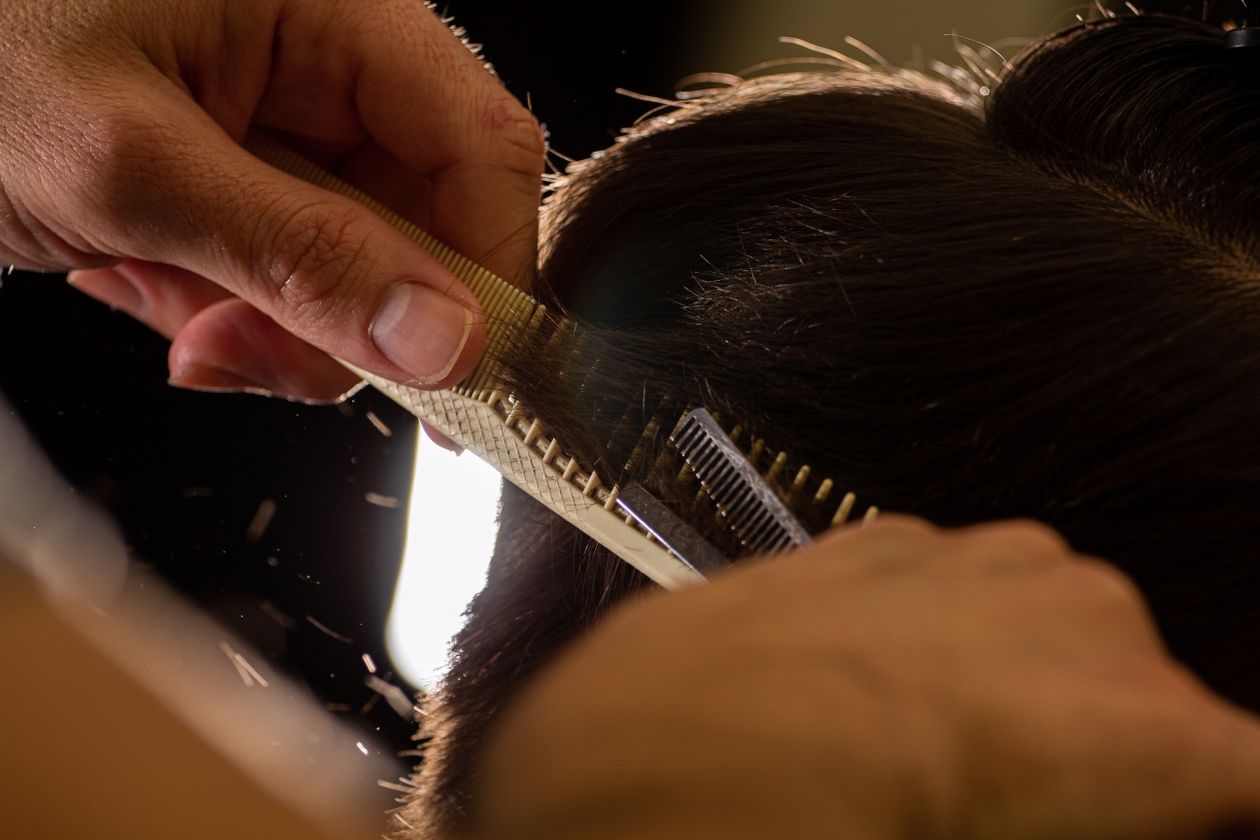
Living with it afterward
Texturized hair is hair that has spent some of its strength, so it asks for gentler handling: less heat, more conditioning, and trims that keep the oldest, most-processed ends from fraying. Plan the retouch rhythm at the first appointment, while the choice is theoretical. Knowing you are committing to a retouch every few months, or to a long grow-out, is part of the service, and a Pineville summer of pool chlorine will test chemically treated hair harder than almost anything else on the calendar.
Common questions
Can I color and texturize my hair in the same visit?
Usually the two are separated, and your stylist will set the order and the gap. Layering both chemistries on one day is where hair most often gets pushed past what it can handle.
How long does a perm or smoothing service last?
The treated hair keeps its new shape permanently. What changes is the grow-out: new hair arrives in your natural texture at about half an inch a month, so most people retouch or transition within a few months.
What if I hate the result?
Wait through the settling period first, since the result softens in the first days. After that, talk to your stylist about adjustments. What cannot be done is chemically reversing the treated hair back, which is why the strand test matters.
Photos in this guide are representative stock images.
← All guides from Studio 321← Back to Studio 321